What a week! We recently wrapped up a promotion with LivingSocial at Endeavor so we had a bunch of new start-ups this week. I’ve really been impressed with the work ethic of the new kids we’ve had. I strongly believe that’s a quality that you can develop with the right environment, but it’s refreshing to see kids enter with a high compete level.

Endeavor is also launching a new U-12 Athletic Development Program in April that I’m really excited about. I spent several hours with Matt Siniscalchi designing a template program early in the week and then several more refining it with the help of David Lasnier and Karl Kurtz (Karl doesn’t have a website, but he’s the mastermind behind all of my graphics work, so if you’re in need of a photoshop wizard, feel free to shoot me a message and I can put you in touch). It’s times likes these that it’s helpful to be surrounded by such a knowledgeable staff. If you live in the Eastern PA/New Jersey area, come check us out. We have a couple great specials running through the end of the month!

Before we get into the hockey training content from this past week, I wanted to let you know that I’ve posted 4 mini-webinars, which you may or may not have seen already), on Facebook. These were videos I made as part of the launch of my book Ultimate Hockey Training, and most recently, the complete video on concussion-like symptoms. I’m testing out a really cool new Facebook Webinar service (which I HIGHLY recommend if you have your own website or otherwise run your own business) that makes it easy for people to share the information with their friends. As I’ve said in the past, I’m indescribably grateful to all of you for forwarding some of my articles and videos along to your teammates, coaches, friends, and family. With the new Facebook Webinar service, it’s more convenient to watch the webinars AND to share them. It’s a win-win. In case you haven’t seen them already, check out these 4 webinars and please pass them along to anyone you think will benefit from the information!

  1. Transitional Speed Training for Hockey
  2. Hockey Conditioning
  3. Off-Ice Hockey Training Program Design
  4. The Truth About Concussion-Like Symptoms

This week, in quite possibly the most disclaimer-filled articles series in the history of the written word, I added a 4-part webinar series on concussions titled “The Truth About Concussion-Like Symptoms”. If you missed them, you can check them out here:

  1. The Truth About Concussion-Like Symptoms
  2. The Truth About Concussion-Like Symptoms: Part 2

Over the last week at Hockey Strength and Conditioning, we’ve added two new programs from Mike Potenza and Darryl Nelson and another great article from Anthony Donskov.

Darryl kicked things off with a timely training program for his players at the US NTDP (elite high school aged players). I like to see what other coaches are doing at specific times of the year because it sparks some good ideas on things I can incorporate into our programs and provides some insight into their philosophy. Darryl does a great job with the USA program so his programs are worth studying/modeling.

Check out the training program here >> Early Spring Off-Season Workout

Mike Potenza added a 2-day youth training program with videos of all the exercises. The program has a bit of a strength emphasis, but Mike does a terrific job of keeping everything simple, which is really important for youth players that don’t have a strong training background. Master the basics before you move on to advanced tactics. The videos are a great addition so youth players or parents that are reading the article can get an idea of how to perform the exercises with perfect technique.

Check out the youth training program here >> Youth Training Program: Strength Phase 1

Anthony Donskov, who I’ve had the pleasure of working alongside at a few of the US Women’s National Team camps over the past year, added another outstanding piece on designing training programs for contact athletes to preserve shoulders. As you likely know, shoulder injuries are extremely common in hockey, and because they typically result from high velocity contact, it’s generally thought that they are largely unpreventable. While there is some truth to that idea, following Anthony’s concepts will go a long way in minimizing the risk of a separation or dislocation.

Read Anthony’s article here >> Push/Pull Ratio for Contact Athletes

That’s a wrap for today. As always, if you aren’t a member yet, I encourage you to try out Hockey Strength and Conditioning for a week. It’ll only cost $1, and if it’s not the best buck you’ve ever spent, I’ll personally refund you!

To your success,

Kevin Neeld

P.S. Don’t forget to check this out! Facebook Webinars

Please enter your first name and email below to sign up for my FREE Athletic Development and Hockey Training Newsletter!
I hope you had a great week. This has been a really exciting week for me personally. If you follow me on Twitter and/or read this site regularly, you may have noticed that I frequently allude to the fact that there is a lot more to the concussion story than is being recognized. At the beginning of last week, I got the idea of putting together a presentation on the topic, which I had an opportunity to record a few days back. Other than my garbage mic making me sound like a pre-pubescent boy, it came out pretty well. Look for that early next week.

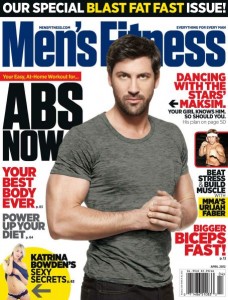
Yesterday I got an email from an old teammate of mine saying he was flipping through a Men’s Fitness while waiting for a haircut and saw a hockey training piece that I wrote. I didn’t even know it was printed! Pick up a copy of the April issue of Men’s Health (see pg 104).

Finally, early in the week I was asked to contribute to a chapter in the new Men’s Health Book of Abs. I’m sincerely humbled to have an opportunity to work on this project and am really looking forward to seeing the finished product. I’ll keep you in the loop as it nears completion.

Just as a final reminder, today is the LAST DAY to test run the Elite Training Mentorship for $1. As I’ve said over the last couple of weeks, to have an opportunity to learn from Eric Cressey, Mike Robertson, BJ Gaddour, and Dave Schmitz for a buck is a no-brainer. Eric and Mike are two guys I’ve regularly looked to for great training information over the last 5 years. I still bounce ideas off Eric on a regular basis. I’m really happy these guys are doing this. Any way their information can reach more people is a positive in my book. Check out this link for more information: Elite Training Mentorship

On to this week’s hockey training updates…

If you haven’t already, check out these posts from the last two weeks:

  1. Athletic Development Things You Should Read
  2. Elite Training Mentorship
  3. Metabolic Training (Free Video!)
  4. Dissecting Muscle Function: Force Production
  5. Dissecting Muscle Function: Influence

We’ve been busy at Hockey Strength and Conditioning over the last two weeks.

To kick things off, I added our final youth program of the year. The focus of this program changes somewhat drastically toward more mobility and regeneration work in the interest of recovery. The goal is to taper and generally unload the body so that the kids can hit the playoffs full steam ahead. Now is not the time to push off the ice; it’s more a time to showcase the hard work the players have been putting in over the season.

Get the program here >> 2-Day In-Season Training Program: Phase 5

Darryl Nelson added a video of what I would classify as a low load high velocity power exercise. These types of exercises have a lot of carryover to different components of hockey, but I generally frame it within the context of shooting. High speed hip rotation and core transfer are two keys to shooting power.

Watch the video here >> Medicine Ball Baseball Pitcher

Anthony Donskov wrote a terrific piece on the state of youth hockey. This is a message that I don’t think can be shouted too frequently. Things are NOT okay in youth sports, and youth hockey has been one of the front-runners in leading the craziness. I’m proud of USA Hockey for stepping up and taking serious action to help right the ship with their new ADM model. Ultimately, though, it’s up to us-coaches, parents, educators, etc. to adopt what they’ve put forth. Anthony’s article is filled with a lot of simple facts about the odds of a youth player reaching the pro ranks, and has guidelines for 60-minute practice that maximize development and fun. This is a MUST READ!

Read the article here >> Adult Values + Child Activities = Burnout

Mike Potenza added a video with two interesting exercises. Both strike me as great ways to train and/or test (or “audit”) multi-segmental stability. I’m looking forward to playing around with these over the next couple weeks and potentially mixing them in to future programs.

Watch the video here >> Leaning Tower

Sean Skahan wrapped things up with an All-Star Break Program. This is a great program for those in youth hockey to look at, not to simply steal it and use it as is, but because the program is built around body weight exercises. The only pieces of equipment this player had was a foam roller and stability ball. In all of the years I’ve worked training youth teams, I’ve only had any appreciable equipment for this past season. It’s important that these players to learn how to move properly and to get a training effect, both of which can be accomplished with relatively basic body weight exercises if they’re programmed and coached well. Sean’s program is a good template for that.

Get the program here >> All-Star Break Program

Don’t forget to log-in and check out the forum as well. Check out these discussions:

  1. Flexibility Help
  2. Post Game Snack Variety
  3. NHL Concussions
  4. United States Anti-Doping Agency
  5. Hockey Skill Warm-Up Drills
  6. Planning and Periodization for Playoffs

That’s a wrap for today. As always, if you aren’t a member yet, I encourage you to try out Hockey Strength and Conditioning for a week. It’ll only cost $1, and if it’s not the best buck you’ve ever spent, I’ll personally refund you!

To your success,

Kevin Neeld

P.S. I have lots of great stuff coming your way next week, so make sure you check back. In the mean time, test drive the Elite Training Mentorship and let me know what you think!

Please enter your first name and email below to sign up for my FREE Athletic Development and Hockey Training Newsletter!

This has been a groundbreaking week here at KevinNeeld.com, and it’s all thanks to you! The site reached a personal traffic best with 15,767 visitors over the last 30 days. Not bad for a hockey training site, and it’s all because many of you have been forwarding along posts that you like through facebook, twitter, email, etc. I really appreciate your help in spreading the word!

Another reason for the recent boost in traffic is because of how well-received these two hockey development posts were. If you haven’t had an opportunity to read them yet, check them out at the links below:

  1. A Letter to Parents of Undersized Players
  2. Hockey Development: The Catapult or the Wall?

As a quick reminder, if you haven’t joined my Hockey Training group on Linked In, please do so now! It’s completely free, and we get to talk about anything hockey related you want. I recently posted a poll about how to deal with the NHL concussion issue that I’d love to have you weigh in on. Check it out here: Hockey Training LinkedIn Group

We also had a few great additions at HockeyStrengthandConditioning.com. If you haven’t already, be sure to check these out.

Mike Potenza kicked things off with an interesting video featuring a piece of equipment I have never seen before. I really liked the control it helped provide during the 1-leg squat Mike demoed in the video. Hopefully I’ll get an opportunity to play around with one soon as I’m sure there is a lot more that you can do with it.

Watch the video here >> Pilates Bench-Assisted 1-Leg Squat from Mike Potenza

Sean Skahan added the final phase of his off-season training program. This was the program he used when all of the Ducks were back in town for pre-season, and the volume of on-ice work and bike conditioning was a little higher.

Check out the program here >> Summer 2011 Phase 5 Training Program from Sean Skahan

Finally, Anthony Donskov added a great video on stress management as it pertains to training program design. Anthony is a bright guy and an energetic coach. I’ve been fortunate to have spent some time with him at the Perform Better Summit in Chicago last Summer and at a few of the USA Women’s National Team camps that we’ve worked at. This is a great video because it underlines all the variables that can be manipulated in a training program, some of which are more readily apparent than others.

Watch the video here >> Managing Stress from Anthony Donskov

Lastly, make sure you check out the forum, as there are a couple great discussions. After you log-in, look for these threads:

  1. Controlling our Food
  2. Youth Hockey Practice Times
  3. Competition Hydration
  4. Flyers PreSeason Testing

That’s a wrap for today. As always, if you aren’t a member yet, I encourage you to try out Hockey Strength and Conditioning for a week. It’ll only cost $1, and if it’s not the best buck you’ve ever spent, I’ll personally refund you!

To your success,

Kevin Neeld

Please enter your first name and email below to sign up for my FREE Athletic Development and Hockey Training Newsletter!

It’s been a couple weeks (again) since I had an opportunity to write one of these posts. The last few weeks have been pretty crazy in preparing for the release of Ultimate Hockey Training. On top of that, we’re in the process of moving Endeavor to a new location a few miles away from our current one, which I’m really excited about. We’re fortunate to have an opportunity to rebuild our space from scratch a few years in, so we can make adjustments based on some of the frustrations we’ve had in the current space.

On Wednesday I had an opportunity to head up to Quinnipiac University in Hamden, CT to help Coach Boyle and Dawn Strout with another round of testing for the U.S. Women’s National Program. I’ve really enjoyed my work with the program. The girls all work their assess of, and are constantly pushing each other. Great team atmosphere. It was also nice to catch up with Brijesh, who I haven’t seen in too long. That night I drove home from Connecticut packed a bag, woke up the next morning, and got on a plane to Phoenix. I’m in Phoenix for PRI’s Impingement and Instabilities course, which rain prevented me from attending with Cressey in Maine a couple months back. No complaints about being “forced” to coming to Phoenix though! I spent most of the day yesterday with Patrick Ward talking about the nervous system (this is what most cool people do when they get together). Patrick is ridiculously bright and has a different background than I do, so it’s awesome to hear his perspective on things. If you’re not familiar with his work, check out his site (and an article he wrote on my new book) here: Show & Go and Ultimate Hockey Training

This week I wrote two posts that touch on elite hockey development. If you haven’t read them already, you can check them out here:

  1. What if Talent Doesn’t Exist?
  2. What Would You Do to Succeed?

Over the last several weeks, we’ve added A LOT of terrific content to Hockey Strength and Conditioning. Check out what you’ve missed:

New Articles

Why Shoes Make Normal Gait Impossible from Dr. William Rossi

Five Exercises That Hockey Players Should Be Doing in the Weight Room from Sean Skahan

Toronto Maple Leafs 1962 Training Camp

Youth Hockey Training Blueprint: Part 1 from me

The Case for Direct Cuff Training in Contact Sports from Anthony Donskov

Managing Injuries through Manual Therapies from Eric Reneghan

This is an almost overwhelming collection of articles. The Maple Leafs Training Camp article is more for fun than anything else. We’ve certainly come a long way since those days. My article on youth hockey training is the first in a 3-part series that will walk you through exactly how I put together the off-ice training program for a youth hockey organization that we work with. This series will answer most of the questions I get regarding what I recommend for training youth players at different age levels at the rink and identify how I’ve addressed some of the challenges inherent in the space we’re allotted there. Keep your eye out for the other two parts. Dr. Rossi’s shoe article was outstanding. I think the impact of footwear is overlooked by the majority of youth athletes (and their parents) because the assumption is that they wouldn’t sell shoes if they were detrimental to your health. Dr. Rossi’s article systematically explains the impact different shoes have on your structure and performance. Great read.

Training Programs

Off-Season 2011 Phase 2 Strength Training from Sean Skahan

Quarter Sprints from Darryl Nelson

Strength Training for a Hockey Player with a Unilateral Lower Body Injury from Mike Potenza

Three great programs from three great coaches. I think it’s especially important to read through Potenza’s program because of the message it sends. Unilateral injuries are NOT an excuse to stop training! Most players get hurt, go to the doctor, are told the injury will take 6-8 weeks to heal and assume that means they’ll be ready to play in 6-8 weeks. In reality, in 6-8 weeks they have a almost completely healed segment within a drastically deconditioned body. There are RARELY injuries that warrant a complete shutdown (concussions, and recent disc herniations and hernia surgeries are amongst the few). Players can continue to make progress by intelligently training the healthy segments, which will facilitate a faster recovery, return to play, and ensure continued progress despite an injury. Sean’s program series on training an athlete with an ACL tear are great examples of this too so check them out if you haven’t already.

Exercise Videos

Farmer Carry Lateral Squats from Darryl Nelson

Frontal Plane Core Exercises from Mike Potenza

Reach, Roll, and Lift from me

Half Get-Up with Cup of Water from Sean Skahan

Darryl’s video will really appeal to hockey players because it is a relatively hockey-specific movement. We don’t typically load these movements very heavy, but we do use them to groove the pattern and improve hip mobility. Potenza had some creative core exercises in his video montage. The Reach, Roll, and Lift is a lower trapezius activation exercise that has really humbled a lot of our youth players. It’s easy to cheat your way through this one, but when done correctly, it will surprise you how difficult this is. In my opinion, an inability to perform this exercise disqualifies you from overhead lifts. Sean’s video provides another great example of how to continue to groove important patterns, even when an athlete has suffered an injury.

Hockey Assessment Webinar

Hockey Hip Assessments from me

This was a webinar I did a couple months back detailing all of the hip assessments I used with our off-season hockey group at Endeavor, how to interpret the results, and how to use this information to improve the durability of your players. I’m pretty proud of this one as I think it provides strength and conditioning professionals as well as rehab folks with some important tools to recognize structural “abnormalities” that may predispose players to predictable injuries.

Lastly, the forum has been hopping recently. While there are several interesting discussions, I’d recommend checking out the “Post-Game Flush”, “Neck Strengthening”, “Motion Analysis for $5”, “Barefoot Training”, “Diet Programs that Reduce Inflammation”, and “Reactions to LTAD” threads first.

As always, if you aren’t a member yet, I encourage you to try out Hockey Strength and Conditioning for a week. It’ll only cost $1, and if it’s not the best buck you’ve ever spent, I’ll personally refund you!

To your success,

Kevin Neeld

Please enter your first name and email below to sign up for my FREE Athletic Development and Hockey Training Newsletter!

Before I get into today’s article, I want to remind you that Alwyn Cosgrove is hosting a free seminar titled “The Death of Personal Training” on Monday. When it comes to the business aspect of fitness and running a training facility, Cosgrove is the man. If you haven’t already, go ahead and register for it here: The Death of Personal Training

It’s been a while since I’ve been able to write a Hockey Strength and Conditioning update. Last Wednesday I flew out to Blaine, Minnesota for a few days to help out with the training/testing of the U-18 and O-18 girls at the U.S. Women’s National Development Program camp. It was great spending a few days working alongside Coach Boyle, Anthony Donskov, Chris Pietrzak-Wegner, Dawn Strout, Cal Dietz and Jim Snider. Awesome group of coaches. I flew back Friday and spent the weekend catching up on everything. I’m actually flying up to Maine later today to go to a PRI course with Eric Cressey. Busy time of year!

Chris Pietrzak-Wegner wrote a great article on selecting a quality protein/energy bar. Chris pointed out a lot of the lesser known downfalls of these products and identified specific ingredients to look out for. He also identifies what things you should look for in a quality bar. I know a lot of players tend to lean on these as a post-practice/game meal resource because of how quick/convenient they are. If you fall into this category, I encourage you to read through this article. Parents and coaches need to continue making an educational push away from processed foods and to foods with more natural ingredients (and usually less total ingredients). The things Chris covers in this article can really be applied to all foods, not just protein bars. Check out the article at the link below.

Click here to read >> Choosing a Protein/Energy Bar Wisely from Chris Pietrzak-Wegner

Darryl Nelson added one of my favorite articles to date. If you don’t know this already, I STRONGLY believe that the idea of “natural ability” or “talent” is GROSSLY over-exaggerated. If you buy into the 10,000 hour rule, I think that, in general, we fail to fully recognize the less obvious factors or forms of practice that create natural ability. For example, the benefits of mental rehearsal are fairly well-established. In other words, visualizing yourself performing a certain skill or movement will result in improvements in that skill or movement. Mental practice is practice. It counts. I think some players are more proactive in this visualization process. On a related note, I think certain players watch hockey games analytically, and apply what they see into their mental rehearsal repertoire so they’re better prepared when they encounter similar situations in their own games. They react more instinctively. It’s practice and it’s highly beneficial, but it’s rarely taught or promoted.

Another less obvious factor contributing to a player’s development is known as the “Relative Age Effect”, which identifies how a player’s birthday may influence their ability to develop in our current system. This was the focus of Darryl’s article, and another thing that everyone from players to administrators in youth hockey should be aware of.

Click here to read >> Relative Age Effect from Darryl Nelson

Sean Skahan added the final phase (Phase 5) of his ACL Rehab/Reconditioning program. Now that he’s posted the last phase, I recommend going back through the site and finding all 5 phases, laying them out, and studying the progression. Individual programs hold limited value (not NO value, just limited), but progressions can give you a ton of insight into the rationale behind the reconditioning strategy. This understanding is what will ultimately give you the ability to apply a similar rationale in your own setting.

Click here for the program >> ACL Rehab/Reconditioning Phase 5 from Sean Skahan

There are some good discussions going on the forum too. My friend Cristi Landrigan asked a specific question about a very popular protein powder that her son was taking and Chris chimed in with some great alternative options. Potenza also started a thread on ways to load someone on the ice other than sleds. A few great ideas there too.

As always, if you aren’t a member yet, I encourage you to try out Hockey Strength and Conditioning for a week. It’ll only cost $1, and if it’s not the best buck you’ve ever spent, I’ll personally refund you!


To your continued success,

Kevin Neeld

Please enter your first name and email below to sign up for my FREE Athletic Development and Hockey Training Newsletter!